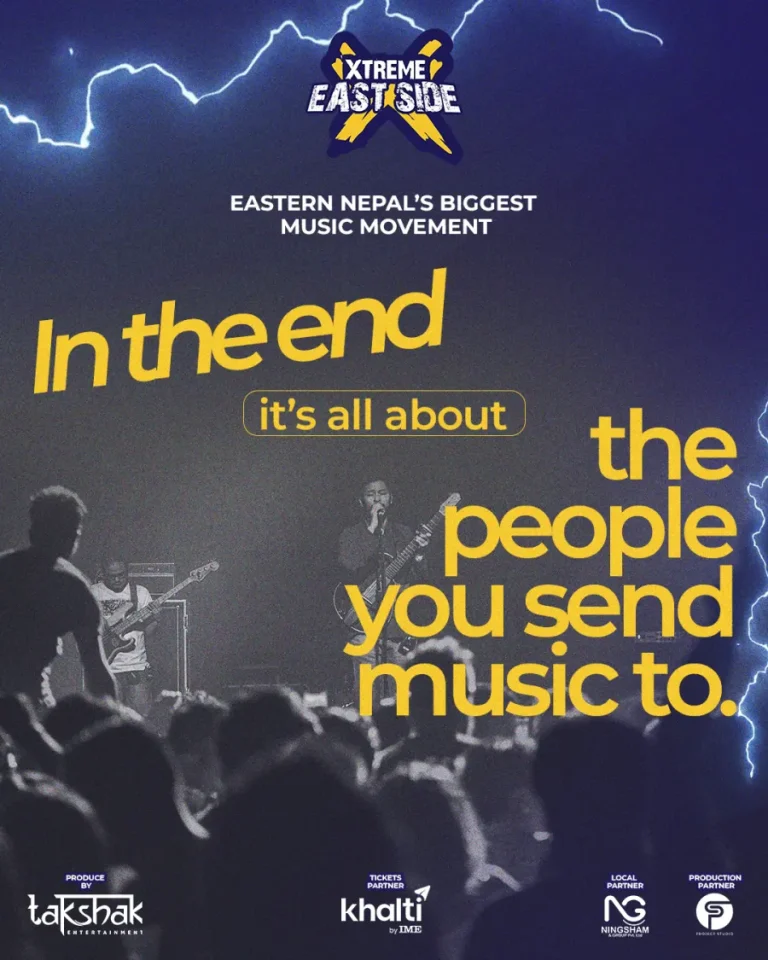
A live music event becomes easier to plan once the audience, artist, venue, budget and ticket path are decided together. A strong poster cannot repair a room with the wrong capacity or a ticket launch that starts before the show details are settled. This checklist is for teams planning a concert, festival set or brand-backed music event in Nepal.
1. Define the event before booking anything
Write a short brief: city, likely date range, audience, expected capacity, music format, budget range and the result you want. Is the purpose ticket sales, a brand experience, an artist milestone or a community gathering? This determines the venue and production needs. Keep one owner for decisions and one current version of the brief.
2. Match the artist, audience and city
Choose an artist because the audience is likely to travel or show up for that performance, not only because the name is familiar. Discuss performance format, technical rider, rehearsal, travel, promotion commitments and a realistic schedule before announcing. If multiple acts share the bill, decide who confirms the running order and when it can be published. Our artist booking guide breaks down the first conversation.
3. Test the venue as a real show space
Capacity is only one measure. Check stage dimensions, power, sound limits, audience flow, entry and exit points, toilets, accessibility, weather exposure, nearby transport and the work needed for load-in and load-out. Ask the venue which permissions, insurance or local coordination it requires for the proposed format. Confirm these details with the relevant local parties; requirements vary by place and event.
4. Build the production and ticket plan together
List sound, lighting, staging, screens, power backup, crew, security, medical response, signage and contingency costs. Build a run sheet from load-in to the last audience exit. Then set ticket categories and capacity based on the real room layout. Each official ticket page should show the correct date, city, venue, category and terms. Khalti’s event ticketing guidance explains its purchase and digital ticket flow.
5. Publish one reliable source of truth
Before promotion begins, choose a primary event page. Put the confirmed artist names, date, venue, ticket link and update channel there. Use the same facts in social posts, partner pages and ticket listings. If a detail changes, update the primary page first and clearly communicate the change. Takshak’s events page shows how current shows and official ticket paths can be presented together.
6. Prepare the show day
Brief gate staff, artist teams, production crew and partners on the same schedule. Plan a clear response for delayed entry, weather changes and lost tickets. After the event, review attendance, audience feedback, ticket support questions and production notes before planning the next date.
Starting a project with Takshak
Takshak works across live shows, artist management, tours and brand partnerships in Nepal. Share the city, date range, intended audience and artist or production brief through the contact page. The Takshak story explains the kind of live experiences the team is building.